
Why Is My Aircond Not Cooling? A Diagnostic Walkthrough
Aircond running but not cold? Check remote, filter, outdoor unit, gas level, capacitor, compressor — full diagnostic walkthrough.
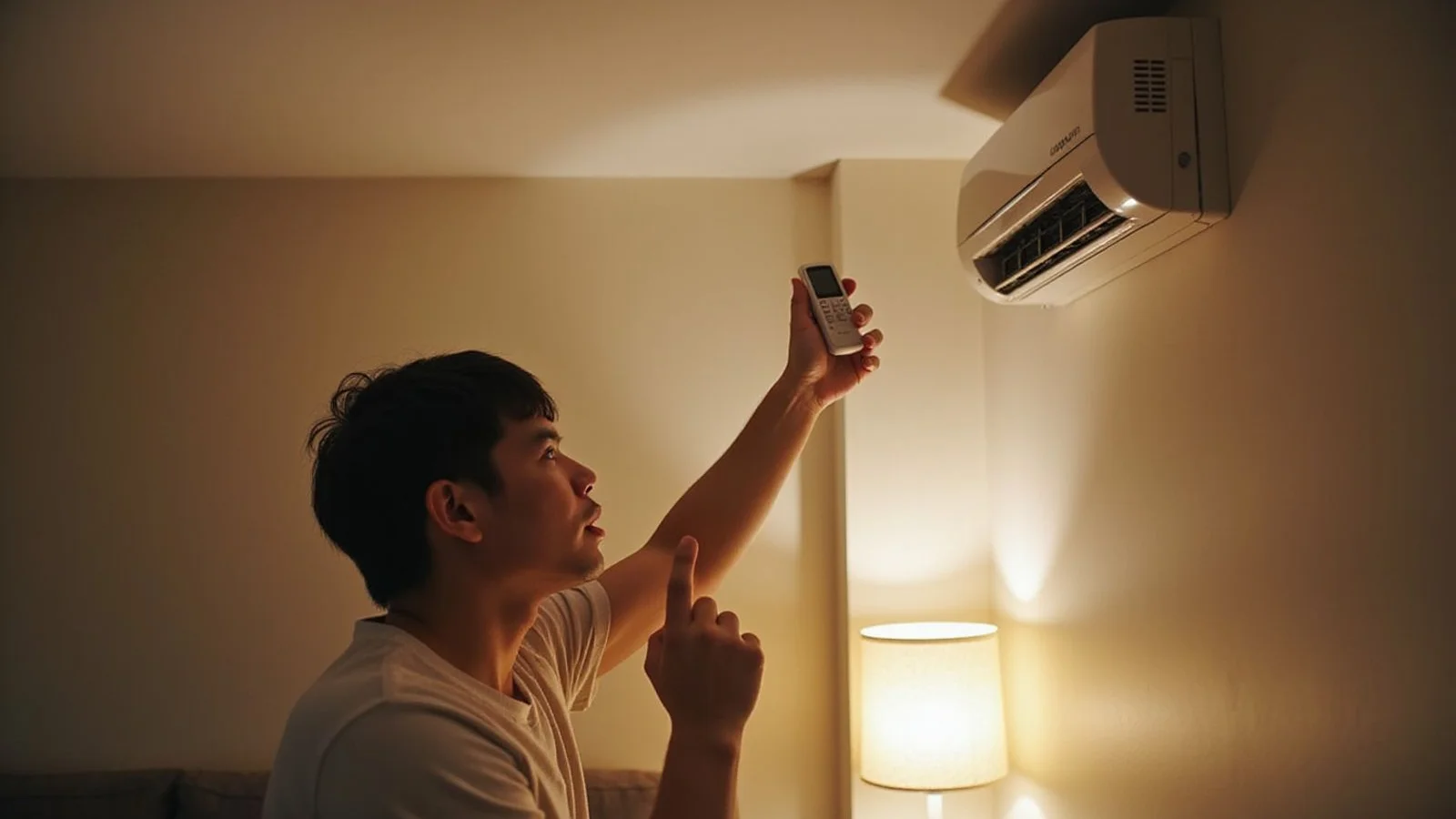
We know exactly how frustrating it is to turn on your unit after a hot Malaysian day only to feel warm air blowing back. “Aircond not cooling” is the second most-searched AC symptom in the country right behind water leaks. Many homeowners immediately assume they need a gas top-up.
Our team has found that skipping a basic check usually misses the real root cause entirely.
The truth is that 80% of these issues take less than five minutes to diagnose with just a torch and a screwdriver. Let’s look at the exact diagnostic steps to find the problem.
We put this guide together to help you avoid unnecessary service fees. If you prefer to skip the troubleshooting, you can easily book our aircond repair right now.
A quick diagnostic saves both time and money.
Step 1: Remote settings, 30 seconds
We always check the remote control first because it is the cheapest and fastest diagnostic. You would be surprised how often a simple setting adjustment solves the issue completely. A common mistake in Petaling Jaya is setting the thermostat to 16°C to cool a room down faster.
Our experience shows that an air conditioner cools at the exact same speed regardless of the target number. Setting it to 16°C just forces your compressor to run at maximum power for hours. Energy Commission Malaysia recommends setting your cooling between 24°C and 26°C for optimal efficiency.
We save customers a callout fee about 15% of the time just by fixing these simple settings.
- Mode: Check the mode setting to confirm it is on Cool, which is usually a snowflake icon.
- Fan Speed: Adjust the fan speed to Auto or High.
Our advice is to keep the temperature set point below the current room temperature, but ideally around 24°C. Do not use Fan or Auto mode, because Auto sometimes just sits in fan mode if the room feels slightly cool already. Make sure the swing louvers are actually open and not physically stuck in a closed position.
We encourage you to verify these remote settings before proceeding to the hardware checks. A correct configuration ensures the active cooling cycle engages properly. Low fan speeds result in very weak airflow that cannot cool a room properly.
Step 2: Filter inspection, 1 minute
We highly recommend pulling the indoor unit front cover up to inspect your filter next. A thick layer of grey dust will physically block 30% to 50% of the cool air from entering your room. This simple blockage makes the blower motor work much harder.
Our tests indicate that a heavily clogged filter can increase your daily electricity consumption by up to 15%. This translates to an extra RM8 to RM12 on your monthly TNB bill just from one dirty component. A quick visual check takes only a minute.
We suggest following this simple cleaning routine.
- Gently slide the filter panels out of the indoor unit.
- Dry the filter completely in a shaded spot before sliding it back in.
Our technicians recommend rinsing the mesh thoroughly under a kitchen tap to remove the dust buildup. Run the system for 10 minutes to see if the airflow feels stronger. Notice a major improvement but still experiencing aircond weak cooling?
We find that regular washing prevents many sudden performance drops. You probably need a deeper coil cleaning if the air is still warm. Go ahead and book a standard service to handle the internal layers.
Step 3: Outdoor unit running check, 1 minute
We check the outdoor condenser unit next to see if the main mechanical parts are functioning. Walk outside and listen closely to the machinery while the indoor unit is switched on. The outdoor system handles the actual heat exchange process.
Our local climate places intense stress on these external components. A quick auditory inspection tells you exactly which part is failing. The sounds provide clear diagnostic clues.
We listen for these specific operational noises.
- Humming with a spinning fan: This indicates normal operation, meaning the problem is indoors.
- Loud clicking with no running parts: This strongly points to a failed starting capacitor.
Our technicians know that a compressor humming with no fan movement means the motor has failed. Total silence from the unit suggests no electrical power is reaching the system. A completely silent unit with a working breaker often means a total compressor failure.
We advise checking your main circuit breaker panel first before assuming the worst. An immediate repair is necessary to restore airflow. Your prompt action prevents further electrical damage.
Step 4: Gas level, visible inspection
We always visually inspect the copper lines for signs of a refrigerant leak. A lack of gas means the system cannot absorb heat from your room. Most modern units in Malaysia use R32 refrigerant.
Our team often spots leaks by looking directly at the copper pipe connections on the outdoor condenser. You should look for two specific physical signs. The piping joints might also produce a faint hissing sound.
We advise watching for these two visual red flags.
- Ice or frost buildup: A frozen line indicates dangerously low pressure.
- A faint chemical smell: An R32 leak sometimes creates a sweet odor near the indoor blower.
Our experts confirm that if there is no ice and the pipes look normal, your gas level is fine. Switch the power off immediately if you see ice, because a frozen coil damages the compressor. See signs your aircond is low on gas for the complete checklist.
Step 5: Capacitor, visible inspection (outdoor unit cover)
We consider the run capacitor to be the most vulnerable electrical component in your cooling system. This small part provides the massive jolt of electricity needed to start the compressor motor. Constant exposure to intense midday heat frequently causes these parts to degrade quickly.
Our technicians replace these daily across the Klang Valley during the hotter months. If you are comfortable turning the main power breaker completely off, you can remove the outdoor unit cover for a quick look. A quick visual inspection will confirm if the part has failed.
We recommend checking for these specific physical changes.
- Size and shape: The capacitor is a small cylinder about the size of a thumb or a small Red Bull can.
- Healthy condition: A working capacitor has a completely flat, smooth top with no rust.
Our service teams look for a swollen, domed, or leaking top section to confirm a failure. This is a very fast, same-visit fix with the part typically costing between RM80 and RM200. You can learn more about these specific issues in the guide to common parts failures.
Step 6: Compressor failure, when all else fails
We diagnose a total compressor failure only after ruling out all the simpler electrical and airflow issues. The compressor is the mechanical heart of the system that pumps refrigerant through the pipes. A broken compressor is the most expensive repair on any cooling system.
Our diagnostic process looks for a few distinct warning signs of total failure. A compressor making a loud humming noise but providing zero cooling usually has an electrical short or a mechanical seize. Another major red flag is a unit that cycles on and off rapidly every few minutes.
A buzzing sound combined with your aircond blowing warm air from the indoor unit is the classic sign of a seized compressor.
We usually check the manufacturing date when we see these severe symptoms. Most units in Malaysia come with a five-year warranty on the compressor. A major component failure is generally a replace-not-repair scenario on older systems approaching 8 to 10 years of use.
Our financial advice is to review the detailed breakdown on repair vs replacement to compare costs. A new installation is often the smarter financial choice. The long-term energy savings quickly offset the initial purchase price.
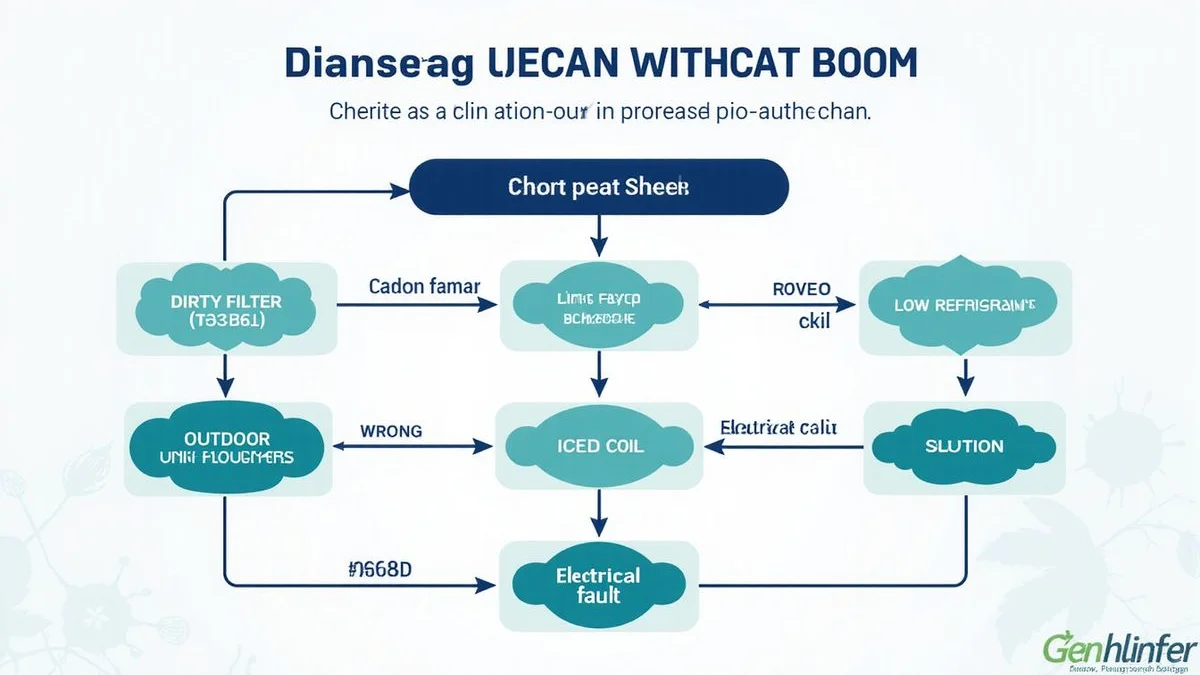
When to call a technician
We recommend booking a professional diagnostic visit if you have worked through the first four steps and nothing fixed the airflow. The on-site diagnostic fee is RM80, which gets fully waived if you proceed with the repair. Most Petaling Jaya service calls take less than 10 minutes to accurately diagnose once a technician opens the casing.
Our team needs a bit of information to prepare for your visit. Send a WhatsApp message detailing the results of your basic checks. Tell the dispatcher exactly what you tried, what helped, and what did not change the cooling performance.
We also suggest sending these details before your appointment.
- Test results: Specify which of the four steps you completed.
- Visual evidence: Attach a clear photo of ice on the copper pipes, a swollen capacitor, or a blinking error code.
Our dispatchers use this information to send the right replacement parts on the first trip. Go ahead and Book the repair online today. A fast response prevents minor issues from becoming major repairs.
Frequently asked questions
Why does my aircond cool only sometimes? +
Intermittent cooling usually points to thermostat sensor (misreads room temperature), capacitor weakening (compressor doesn't always start cleanly), or low refrigerant with intermittent freeze cycles.
Is ice on the copper line dangerous? +
Switch off immediately. Running with a frozen coil overworks the compressor and can destroy it. Almost always means low refrigerant plus a leak.
How do I know if it's the compressor? +
Compressor failure typically presents as: humming sound at the outdoor unit + warm air at the indoor + no cooling at all. Replacement, not repair, in most cases.
Ready to book this work with AMg?
5-star Google rating, tidy workmanship, transparent pricing. WhatsApp us for a free quote — same-day response, 8 AM – 6 PM daily.