
How Often Should You Service Your Aircond in Malaysia?
Daily-use aircond needs servicing every 3 months in Malaysia's humid climate. Here's the right cadence by usage and why skipping shortens unit life.
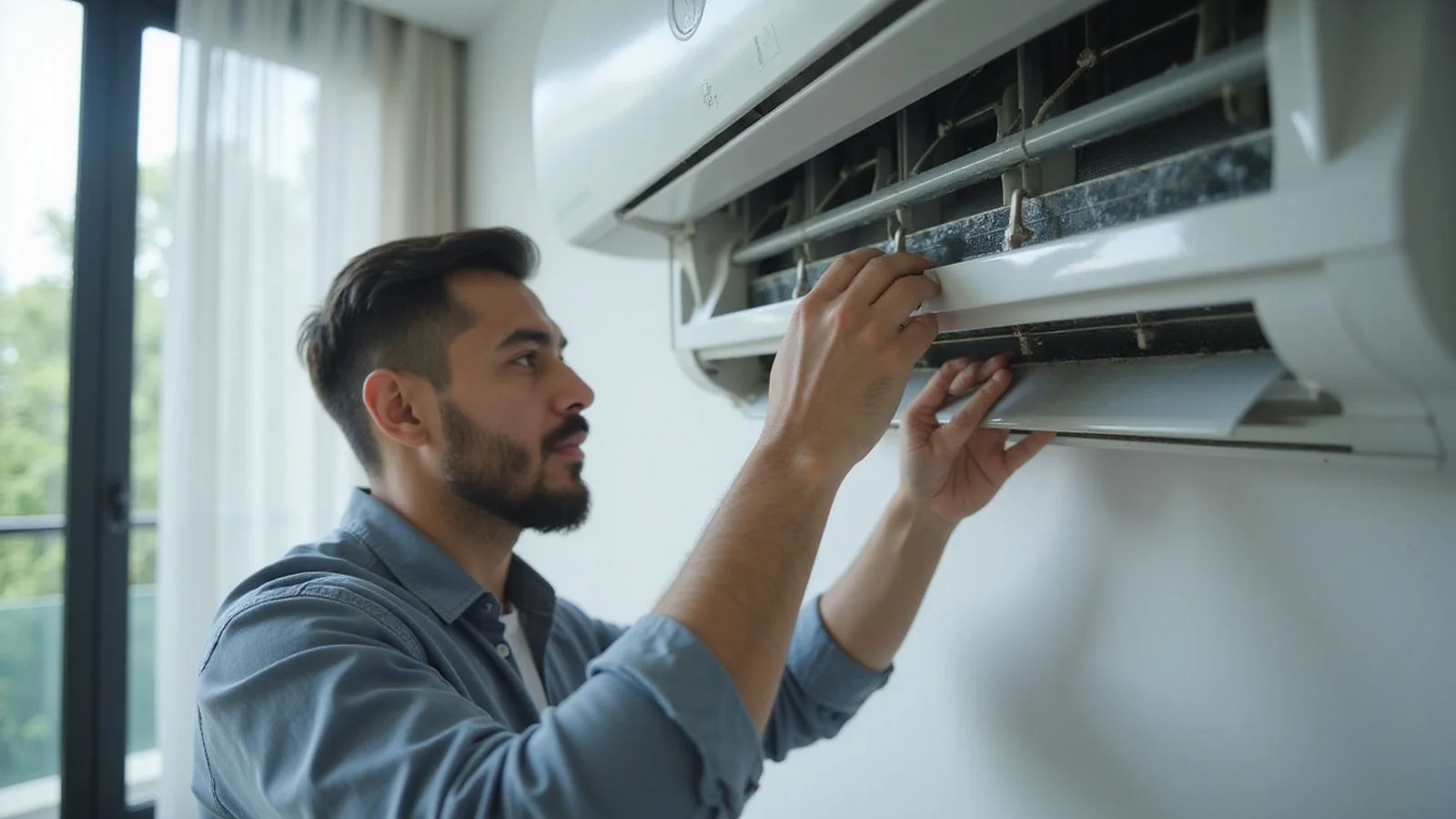
You have probably noticed that the standard manuals recommend an annual maintenance schedule. In reality, figuring out exactly how often to service aircond malaysia requires a closer look at our unique local environment. We see the effects of constant humidity and seasonal haze in nearly every unit our team inspects.
Those dry-climate guidelines fall apart once you account for the Malaysian weather. Most households and small offices here run their cooling systems 6 to 12 hours a day.
We will break down the specific timelines your units actually need, explain the environmental factors, and walk through a quick daily audit.
The right service cadence for Malaysian aircond
Usage directly dictates the correct aircond service interval for your space. Units running constantly need attention every three months, while occasional-use systems can wait up to nine months.
We categorize these schedules into three clear tiers based on daily operation hours. This approach prevents biofilm buildup before it starts affecting your air quality.
| Usage Pattern | Daily Run Hours | Recommended Interval | Typical Locations |
|---|---|---|---|
| Daily Use | 8+ hours | Every 3 months | Master bedrooms, office cassettes, shop-lot wall units |
| Moderate Use | 3-6 hours | Every 6 months | Spare bedrooms, condo living areas, study rooms |
| Light Use | Under 3 hours | Every 9 months | Guest rooms, occasional-use lounges |
Klang Valley humidity sits at around 80 percent year-round. This constant moisture means three months is the tipping point where the evaporator coil starts accumulating visible biological film. The drain hose also begins harboring slow-flowing sludge.
We strongly suggest booking maintenance before these visible symptoms appear. Preventative care keeps your system running efficiently.
Read our chemical wash guide for a breakdown of the deeper cleaning cycle that sits on top of this regular schedule.
Why Malaysia’s climate forces shorter intervals
High ambient moisture, heavy particulate pollution, and extended operating hours drastically reduce the time between required maintenance. Three specific environmental factors compress this calendar.
We track these local conditions closely because they directly impact system longevity. Understanding these variables helps explain why standard manuals fall short.
The 80 Percent Humidity Factor
Constant moisture keeps the evaporator coil wet during operation. This is literally how the system dehumidifies your room.
We frequently find that this persistent wetness allows mold and bacteria to colonize the cooling fins. Drier climates allow the coil to completely dry out between cooling cycles. Malaysia’s coils remain damp almost constantly.
Seasonal Haze and Monsoon Dust
Pollution from transboundary smoke drastically raises the particulate load in the air. A 2025 environmental report noted a 28 percent spike in PM2.5 levels around Petaling Jaya during the August haze.
We pull filters from local offices that are completely choked with this fine dust. Enough particulate still slips through to coat the internal fins. Over several months, this coating reduces heat-exchange efficiency by 15 to 30 percent.
Extended Operating Hours
A standard yearly schedule works perfectly for a unit running just one hour a day in Sweden. A comparable unit in Bandar Utama usually runs eight hours a day.
We see local compressors working four times as hard as their European counterparts. This sheer volume of air processing demands a much tighter maintenance loop.
What happens when you skip service
Ignoring your schedule leads to higher electricity costs, foul odors, and eventual water leaks. These failure modes typically appear in a specific, predictable order.
We monitor these degradation stages across hundreds of properties. Catching them early saves significant repair money.
- Cooling efficiency drops: The room takes longer to cool down. You will likely set the temperature lower to compensate.
- Electricity bills spike: With the recent 2025 TNB tariff adjustments under Regulatory Period 4, running an inefficient system pushes you into higher pricing blocks. Heavy users can hit the 37.03 sen/kWh tier quickly, increasing monthly costs by 20 to 30 percent.
- Biological odors develop: A musty smell or visible biological slime appears on the louvers. This marks the threshold requiring a heavier chemical wash.
- Drain hoses clog: The indoor unit starts dripping water down your wall. Damaged ceiling drywall costs significantly more to repair than five years of skipped maintenance.
The financial impact of a clogged drain or a burnt compressor is always higher than routine care.
Our detailed breakdown on signs your aircond needs servicing covers exactly what to look for next if you are already noticing bad smells. Taking prompt action prevents further damage.
A 60-second at-home audit
You can easily check if your unit needs attention by testing airflow, smelling the vents, and inspecting the drain pipe. You do not need a qualified technician to perform a basic health check.
We use these exact same preliminary checks when initially assessing a property. Try these four simple steps right now.
- The tissue test: Hold a piece of tissue 30 centimeters below the supply louver. Weak airflow means the internal blowers are likely clogged with dust.
- The smell test: Turn the unit on and smell the air for the first 30 seconds. A musty or sour odor strongly indicates biological growth on the coils.
- The visual check: Lift the front plastic cover and look behind the removable filters. Any visible black or green spots mean a chemical wash is definitely overdue.
- The drip check: Locate the outdoor drain hose outlet. Water dripping while the system runs is normal, but a continuous drip long after turning it off signals a blockage.
Finding any of these warning flags means it is time to take action. You can quickly book a service with AMg to get things sorted out. We always provide a written quote before starting any work to ensure you get the right tier of care.
Understanding exactly how often to service aircond malaysia systems prevents sudden breakdowns and keeps your energy bills predictable. Catching a small issue today avoids a massive repair bill tomorrow.
We encourage you to run through that quick audit this weekend. Taking prompt action ensures your space stays consistently cool.
Frequently asked questions
Is once a year enough for aircond servicing in Malaysia? +
Only for very light use — guest rooms used a few weekends a year. Daily-use units in Malaysia need servicing every 3 months because of humidity, dust, and longer run hours than the unit specs assume.
What about commercial cassettes in an air-conditioned office? +
Cassettes need quarterly servicing minimum. Longer run hours plus higher dust load mean commercial units accumulate coil scale and biological growth roughly twice as fast as residential.
Can I just clean the filter and skip professional service? +
Filter cleaning helps a lot, but a filter is only the first stage of dust removal. The evaporator coils, blower wheel, drain pan, and drainage hose accumulate dirt and biological slime that filter cleaning can't reach — those need professional access.
Ready to book this work with AMg?
5-star Google rating, tidy workmanship, transparent pricing. WhatsApp us for a free quote — same-day response, 8 AM – 6 PM daily.