
7 Signs Your Aircond Needs Servicing Right Now
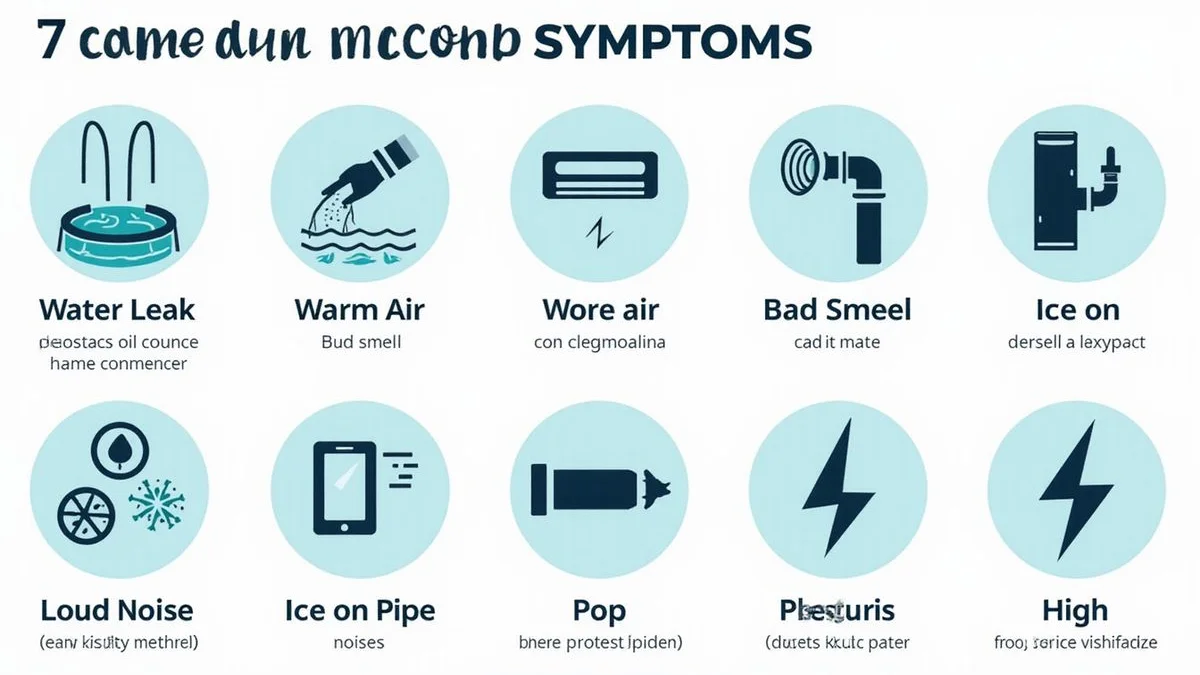
Weak cooling, foul smell, water leaks, ice on coils, high TNB bill, loud noise — these symptoms mean your aircond needs servicing now.
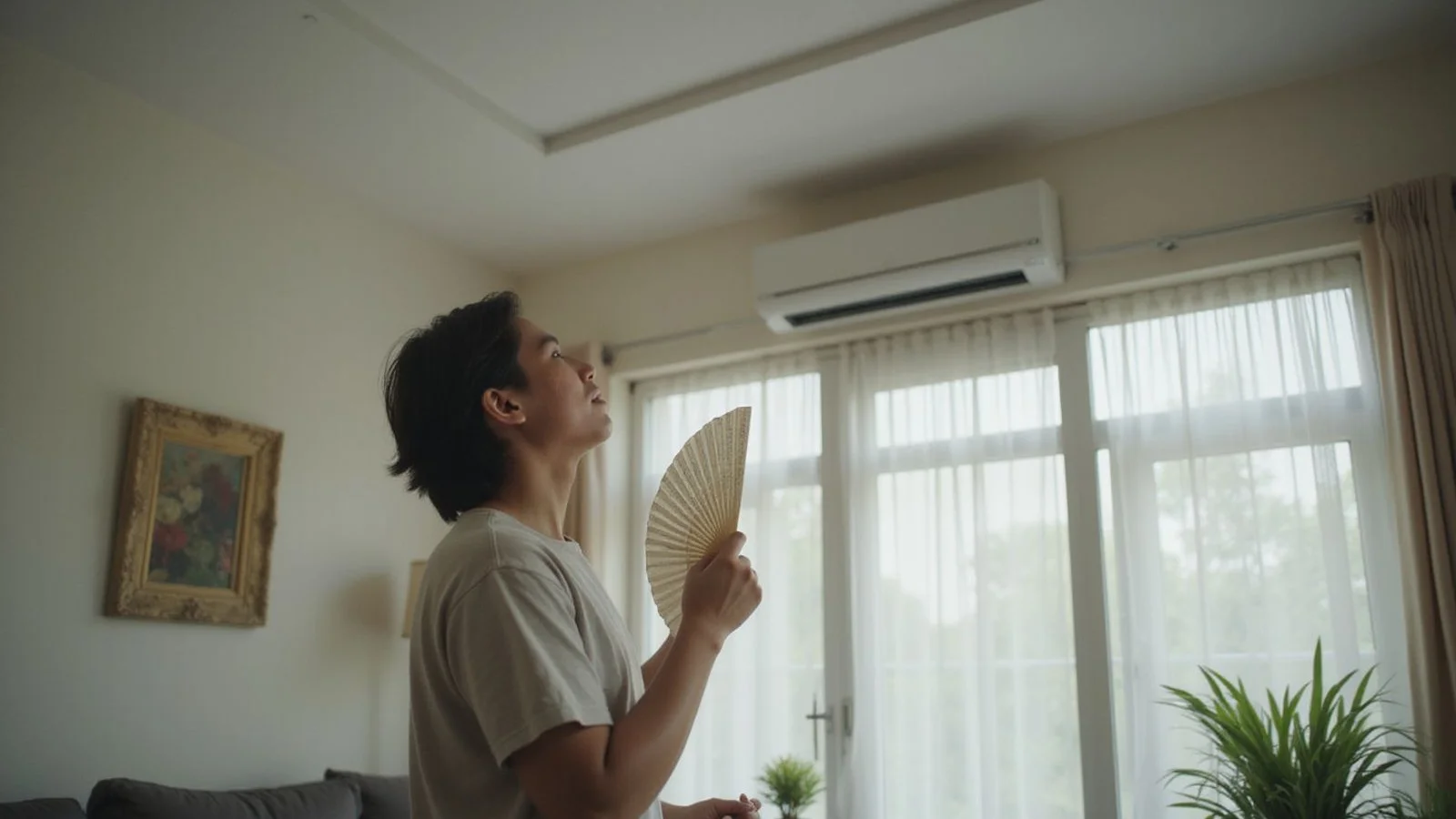
We see the same patterns every day before a major breakdown happens in Petaling Jaya properties. Aircond problems rarely appear out of nowhere. A faint smell or an extra ten minutes to cool the room usually announces the issue first.
Catching those early signs aircond needs servicing is the absolute best way to save your money.
This proactive step stops a basic RM150 chemical wash from escalating into a costly RM800 PCB replacement. Our technicians rely on specific physical indicators to diagnose these systems.
Let us explore the seven main warnings you should look for right now.
Sign 1: Weak cooling despite low setting
We get frequent calls about weak aircond cooling during the hottest months. You drop the remote to 18°C, but the room still feels warm. Two common culprits cause this issue.
The first is a dirty evaporator coil blocking the airflow. The second is low refrigerant gas from a slow leak. Modern units in Malaysia use R32 gas, which requires a specific operating pressure of around 140 to 160 psi to cool properly. A drop below 110 psi confirms a leak, and the cooling capacity drops with it.
Our quickest diagnostic trick is to hold a hand directly under the supply louver.
- Weak air movement: A dirty coil is usually the problem.
- Strong but warm air: This points directly to a gas or compressor issue.
Either way, book a repair or service before the unit overworks itself and damages the compressor.
Sign 2: Foul or musty smell
We often find that an aircond smell indicates a serious biological problem. That distinctive musty odour when the unit first starts is biological slime colonising the wet evaporator coil. Malaysia’s high 80 per cent average humidity creates the perfect breeding ground for mould strains like Aspergillus and Cladosporium.
A standard general filter clean simply cannot reach deep enough to remove this growth. You absolutely need a proper chemical wash to dissolve the jelly-like buildup.
Our teams advise fixing this quickly because the slime does more than just smell bad.
- Reduced airflow: Slime blocks the tight spaces between the cooling fins.
- Health risks: The blower fan pushes microbial particles directly into your room air.
- Higher bills: The compressor works longer to push air through the blockage.
Sign 3: Water dripping inside the room
We rank water dripping as the most urgent indoor issue. Switch the unit off the moment you see water, because ceiling drywall absorbs moisture incredibly fast.
The standard aircon drain pipe in Malaysia is either a 16mm or 19mm diameter PVC tube. This narrow channel easily gets choked by dust and biological slime. The full breakdown of leak causes covers every possible scenario.
Our technicians typically find one of three main culprits behind a leak.
| Leak Source | Typical Cause | Required Fix |
|---|---|---|
| Clogged Drain Hose | Algae and dirt buildup in the 16mm or 19mm pipe. | A cheap fix, sometimes clearable with a wet vacuum. |
| Blocked Drain Pan | Heavy sludge overflowing the collection tray. | Needs thorough cleaning, often a chemical wash. |
| Frozen Evaporator Coil | Low R32 refrigerant pressure causing ice that melts all at once. | Requires professional leak detection and a gas top-up. |
Sign 4: Ice on the copper line or coils
We treat visible frost on your AC system as a major red flag. You might see ice on the copper pipe at the outdoor condenser or directly on the indoor evaporator coil.
This freezing happens due to severely low refrigerant pressure. Normal R32 suction pressure sits around 140 to 160 psi during a hot Malaysian afternoon. A system dropping well below this level will freeze the moisture in the air straight onto the metal components.
Our best advice is to switch the AC off immediately.
Warning: Running the system with a frozen coil forces the compressor to pump liquid refrigerant instead of vapour. This mistake can destroy a compressor, and a replacement costs between RM800 and RM1,500.
To prevent further damage, switch the unit to “Fan Only” mode to melt the ice safely while you wait for a technician to perform a gas leak test.
Sign 5: TNB bill creeping up
We always ask customers to check their electricity usage if they suspect a problem. If your monthly TNB bill is RM30 to RM80 higher than the exact same month last year, blame the AC.
A dirty unit runs up to 30 per cent less efficiently because of two main factors.
- Longer cycles: The compressor stays on much longer to hit your set temperature.
- Tariff jumps: This extra running time easily pushes your household usage into the expensive 51.60 sen per kWh TNB tariff block.
Our calculations show that investing in maintenance pays off quickly. A RM150 chemical wash typically pays you back in just two to three months through restored energy efficiency.
Sign 6: Loud or vibrating noise
We know that a healthy air conditioner is a quiet air conditioner. A normal wall-mounted unit produces a gentle 20 to 30 decibels of sound. A new, loud noise from your AC almost always means a mechanical component is actively failing.
None of these issues will self-heal. The longer you run the system with a mechanical rattle, the more the damage propagates to other expensive parts.
Our repair logs show a direct link between specific noises and failing components.
| The Noise You Hear | The Likely Culprit | Typical Repair Cost (MYR) |
|---|---|---|
| High-pitched whining | Worn fan motor bearings. | RM180 to RM350 |
| Loud rattling | A loose blower wheel or broken fan blade. | RM80 to RM150 |
| Electrical buzzing | A failing capacitor or contactor relay. | RM80 to RM150 |
| Continuous clicking | A malfunctioning PCB control board. | RM300 to RM550 |
Sign 7: Slow start-up
We often diagnose a slow start as a failing run capacitor. The AC takes a few seconds longer than usual to kick on, or you hear a small clicking pause before the compressor finally engages.
The capacitor is a silver cylinder that stores the electrical charge needed to get the compressor turning. Most residential units in Malaysia use a 30uF to 45uF capacitor. Constant exposure to our tropical heat degrades these electrical components over time.
Our technicians look for a physical bulge on the top of the capacitor to confirm it is dying. A weak capacitor causes two major problems.
- Electrical stress: It forces the compressor to pull too much amperage during startup.
- Sudden failure: It will eventually blow completely, leaving you without aircond on a hot day.
Since capacitors do not regenerate power, you must replace them. This is a single-visit fix that only costs around RM80 to RM150 for the part and labour.
What to do next
We highly recommend booking a service if any one of these signs is present. Early intervention is always cheaper than a late emergency repair.
If you notice the aircond not cold and it has a foul smell, it is almost certainly time for a full chemical wash rather than a basic filter cleaning.
Our team is ready to help you sort this out quickly. Send us a WhatsApp message with a description of the signs aircond needs servicing that you see. Include a photo of the indoor unit with the front cover lifted if possible.
We will recommend the exact repair required and provide a written quote before any work begins.
Frequently asked questions
My aircond smells mouldy — is that dangerous? +
It's biological growth on the coils — not immediately dangerous, but it irritates allergies and asthma, and it indicates a chemical wash is overdue. Don't ignore it.
How urgent is water dripping from the indoor unit? +
Urgent. Clogged drainage can soak through ceiling drywall in 24–48 hours. Switch the AC off, place a bucket below, and call us same-day.
Can a dirty aircond really raise my TNB bill that much? +
Yes. A dirty unit can run 20–30% less efficient, adding RM30–RM80 a month for a typical wall unit. The chemical wash often pays back in 2–3 months of TNB savings.
Ready to book this work with AMg?
5-star Google rating, tidy workmanship, transparent pricing. WhatsApp us for a free quote — same-day response, 8 AM – 6 PM daily.