
What HP Aircond for My Room Size? (Malaysia Guide)
1.0 HP for under 120 sq ft, 1.5 HP for 120–180, 2.0 HP for 180–250. Here's how to size aircond for your Malaysian room.
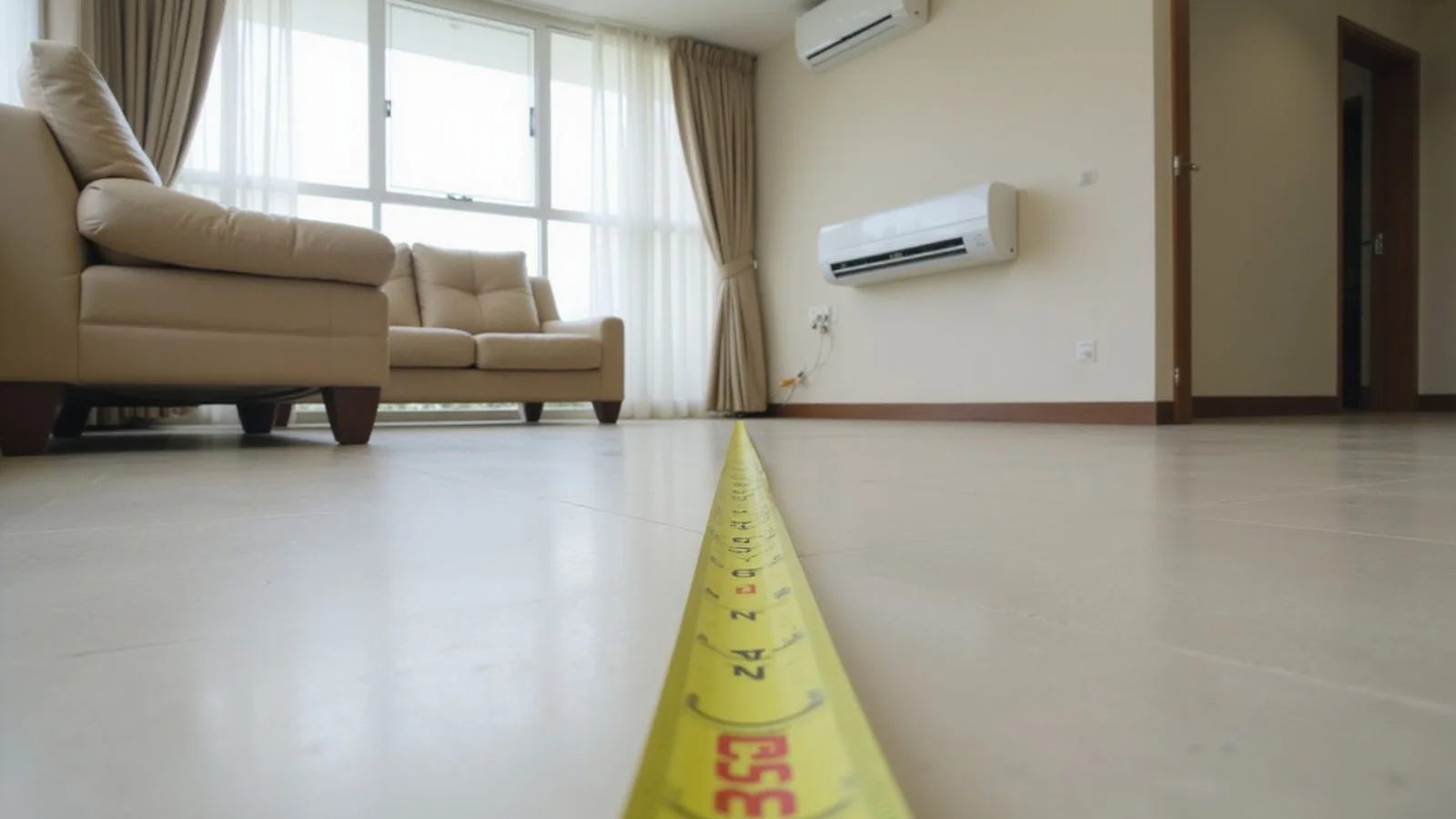
We see too many clients guessing their cooling capacity instead of calculating exactly what hp aircond for room size malaysia they truly need. The single biggest mistake first-time buyers make is picking an air conditioner based on the old unit’s rating or a blind recommendation.
An undersized system runs constantly, while an oversized one short-cycles and fails to dehumidify the air. Our service crew finds that both sizing errors waste electricity and reduce compressor lifespan.
Getting the measurements right is essential for long-term comfort and savings. For immediate assistance with booking a proper setup, see aircond installation in PJ.
Let’s break down the exact formulas and local climate variables required to make a smart, data-driven choice.
The basic HP-to-room-size table: What HP aircond for room size Malaysia?
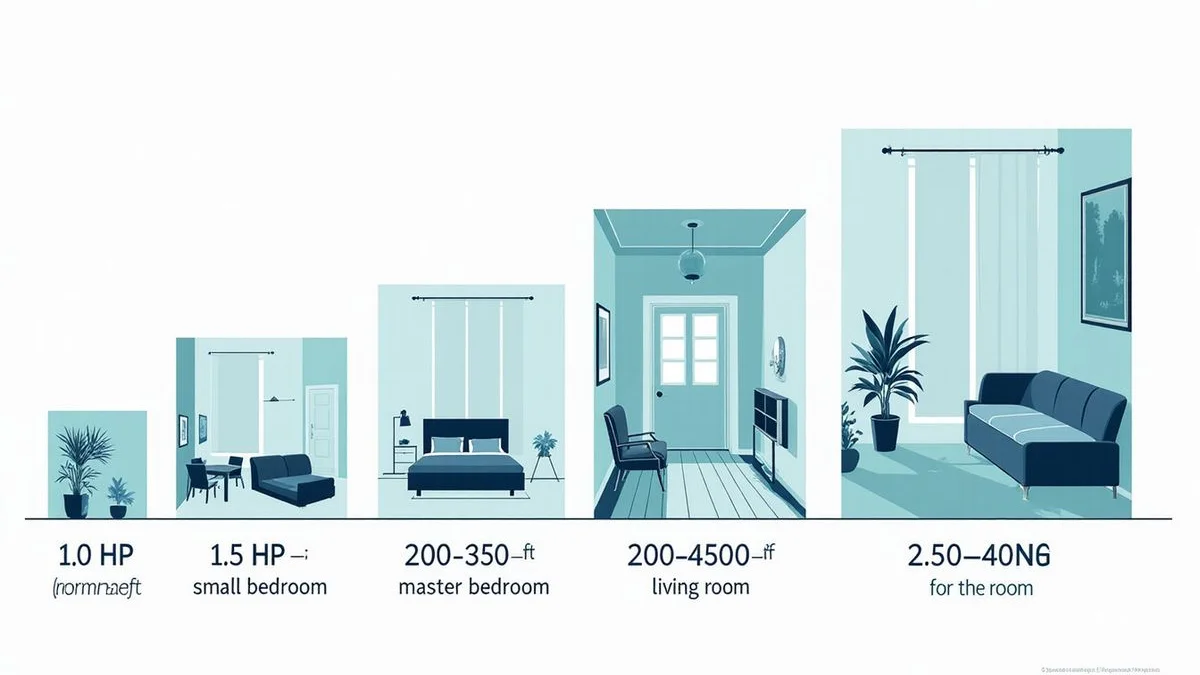
Knowing the base formula is the first step before looking at models, serving as a quick btu calculator malaysia residents can use. We recommend multiplying your room’s square footage by 65 to find the rough British Thermal Unit requirement. A 250-square-foot living room needs about 16,250 BTUs. This translates to a 2.0 horsepower unit, assuming standard conditions. The table below assumes 8 to 9-foot ceilings, average brick insulation, and minimal afternoon sun exposure.
| HP | BTU (approx) | Room size | Typical room types |
|---|---|---|---|
| 1.0 HP | 9,000 BTU | Under 120 sq ft | Small bedroom, study |
| 1.5 HP | 12,000 BTU | 120-180 sq ft | Master bedroom, small living |
| 2.0 HP | 18,000 BTU | 180-250 sq ft | Living room, large bedroom |
| 2.5 HP | 22,000 BTU | 250-350 sq ft | Large open-plan living |
| 3.0 HP+ | 24,000+ BTU | 350+ sq ft | Open-plan whole-floor |
Our technicians always advise leaning slightly up in the capacity band for Malaysian homes. The extreme humidity is the real wildcard here. A machine operating comfortably at the lower end of its capacity range removes moisture far better than one struggling at its absolute limit.
What BTU actually means
British Thermal Unit represents the actual cooling capacity of the hardware, acting as your definitive aircond hp size guide. Our industry uses horsepower as a simpler consumer metric, but the technical output varies slightly across brands like Daikin or Haier based on compressor design.
Industry Standard: One BTU equals the exact energy required to heat or cool one pound of water by a single degree Fahrenheit.
We use this precise metric because the horsepower ratio is only an estimate. To convert the numbers, 1.0 HP equals roughly 9,000 BTU, 1.5 HP hits 12,000 BTU, and 2.0 HP delivers 18,000 BTU. The Suruhanjaya Tenaga (Energy Commission) tests these exact outputs to award their star ratings. You should always check the 2026 energy label for the confirmed Cooling Seasonal Performance Factor (CSPF) rather than just relying on the box.
Adjustments for your specific room
The baseline table requires modification based on environmental heat loads. Our field assessments show that local architecture drastically changes cooling demands. You must bump up one size if any of these specific conditions apply:
- West-facing rooms: Full afternoon sun exposure requires a 10 to 20% capacity increase.
- Top floors of landed homes: The trapped heat from the roof above demands an extra 10 to 15%.
- High ceilings (10+ feet): More physical air volume requires a 10 to 15% bump.
- Open kitchens: Active cooking appliances add roughly 3,000 to 5,000 extra BTUs to the baseline load.
- Large glass windows: Unshaded solar heat gain requires a 5 to 10% boost.
- Multiple occupants: Body heat from three or more people adds up quickly, so jump up one size.
Staying in the lower capacity band works well for north-facing rooms with excellent cross-ventilation. We suggest this conservative approach only if the space is primarily used by a single person.
Why oversizing is worse than you’d think
A common client assumption is that buying the biggest unit guarantees better cooling. We strongly advise against this because an oversized compressor cools the space too rapidly and shuts off before dehumidifying the air. This short-cycling process leaves your bedroom feeling cold but damp and clammy. Our maintenance logs prove that each rapid start and stop severely wears down the internal components.
The frequent startup surges also drive up your usage under the 2026 TNB Tariff A block rates. For a standard 120-square-foot bedroom, a 1.5 HP machine is the ideal sweet spot. Installing a 2.5 HP model in that same space will actively degrade your comfort and inflate your electricity expenses.
Why undersizing is also worse than you’d think
Installing a system that lacks sufficient power creates a different set of expensive problems. We see undersized units running continuously at maximum speed, desperately trying to hit the target temperature on hot April afternoons. The compressor never receives a necessary rest cycle. Our repair data shows this constant strain leads to premature mechanical failures and weak airflow.
Running a small machine continuously at full blast easily pushes your household consumption past the 600kWh mark. This usage spike causes you to lose the TNB retail charge waiver and pay higher tiered rates. For a 200-square-foot living area, a 1.5 HP model will leave you sweating. A 2.0 HP unit represents the absolute minimum baseline for that space.
Brand and inverter considerations
Selecting the actual manufacturer and motor type is the final step after locking in your horsepower. Our market analysis points to three great hardware routes for 2026 installations:
- Premium Inverters: Models from Panasonic’s PU series or Daikin’s FTKF series offer excellent baseline efficiency.
- Budget Alternatives: Brands like Acson utilize identical compressors to premium labels at a 15% lower price point.
- Heavy-Duty Cooling: Midea provides fast cooling capacity ideal for small offices or rental units.
The Best aircond brands Malaysia resource covers specific manufacturer reliability and parts availability. Making the inverter vs non-inverter decision determines whether your motor adjusts speed dynamically or runs at a fixed output. We always recommend securing the correct capacity first before comparing specific smart features.
Want us to size your room?
Finding the perfect match requires accurate data. We provide complimentary evaluations to answer the question of what hp aircond for room size malaysia is right for your property. Send our support number a WhatsApp message with the exact room dimensions, ceiling height, and window orientation. Tell us how many people regularly use the space.
Our technical team will recommend the exact specifications and suggest a reliable manufacturer before providing a quote for the install. This consultation carries zero commitment, ensuring you get accurate, professional guidance upfront.
Frequently asked questions
What HP for a 150 sq ft bedroom? +
1.5 HP comfortably handles 120–180 sq ft. Bump to 2.0 HP if the room is west-facing, has a high ceiling, or has a large glass window.
Is bigger HP always better? +
No — oversized units short-cycle, fail to dehumidify properly, and waste electricity. Match HP to room size and adjust for sun exposure and ceiling height.
How does ceiling height affect sizing? +
Above 10 ft, add 10–15% capacity. Standard Malaysian ceilings (8–9 ft) need no adjustment.
Ready to book this work with AMg?
5-star Google rating, tidy workmanship, transparent pricing. WhatsApp us for a free quote — same-day response, 8 AM – 6 PM daily.